
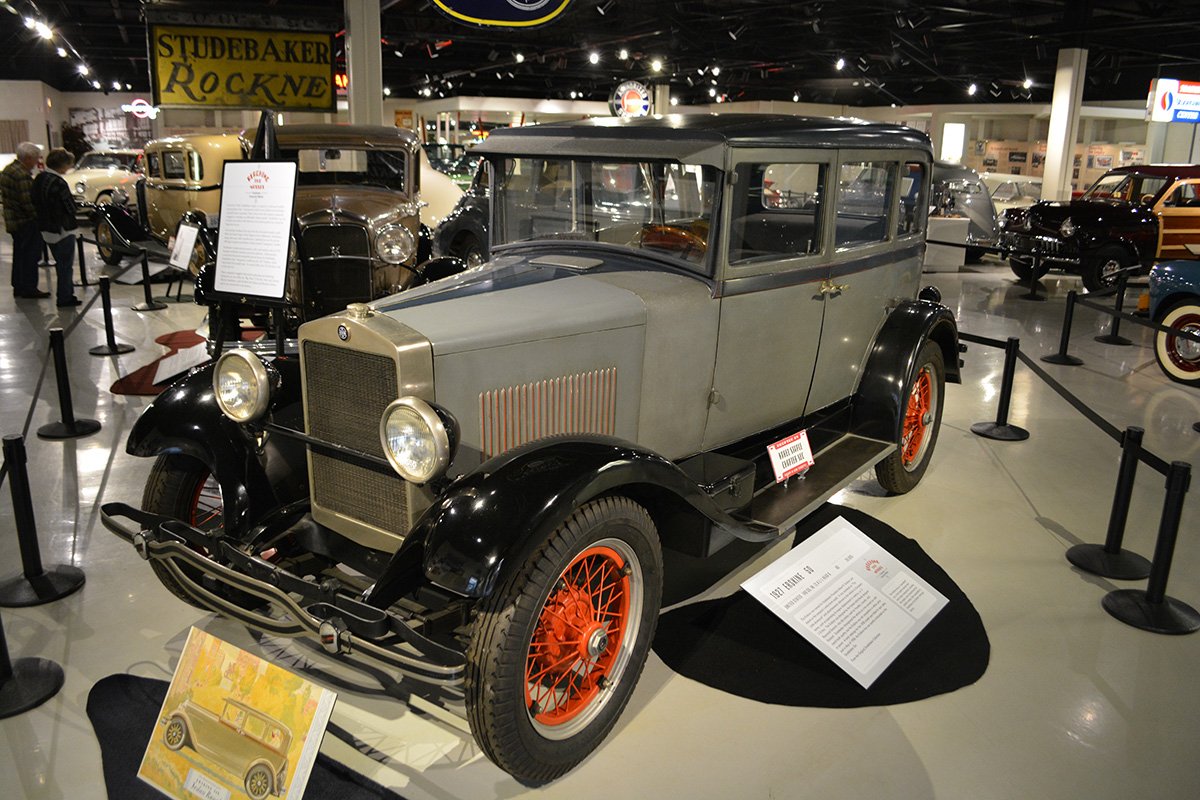
Reaching the Masses: Studebaker Companion Models
Conventional wisdom of the late 1920s held that low-priced models could dilute the brand image of their higher-priced stablemates. Studebaker, along with many other manufacturers, marketed its new low-priced offerings as separate and distinct brands termed companion models. Studebaker sought to expand its traditional middle-priced product line. Commercial vehicles were...
Read More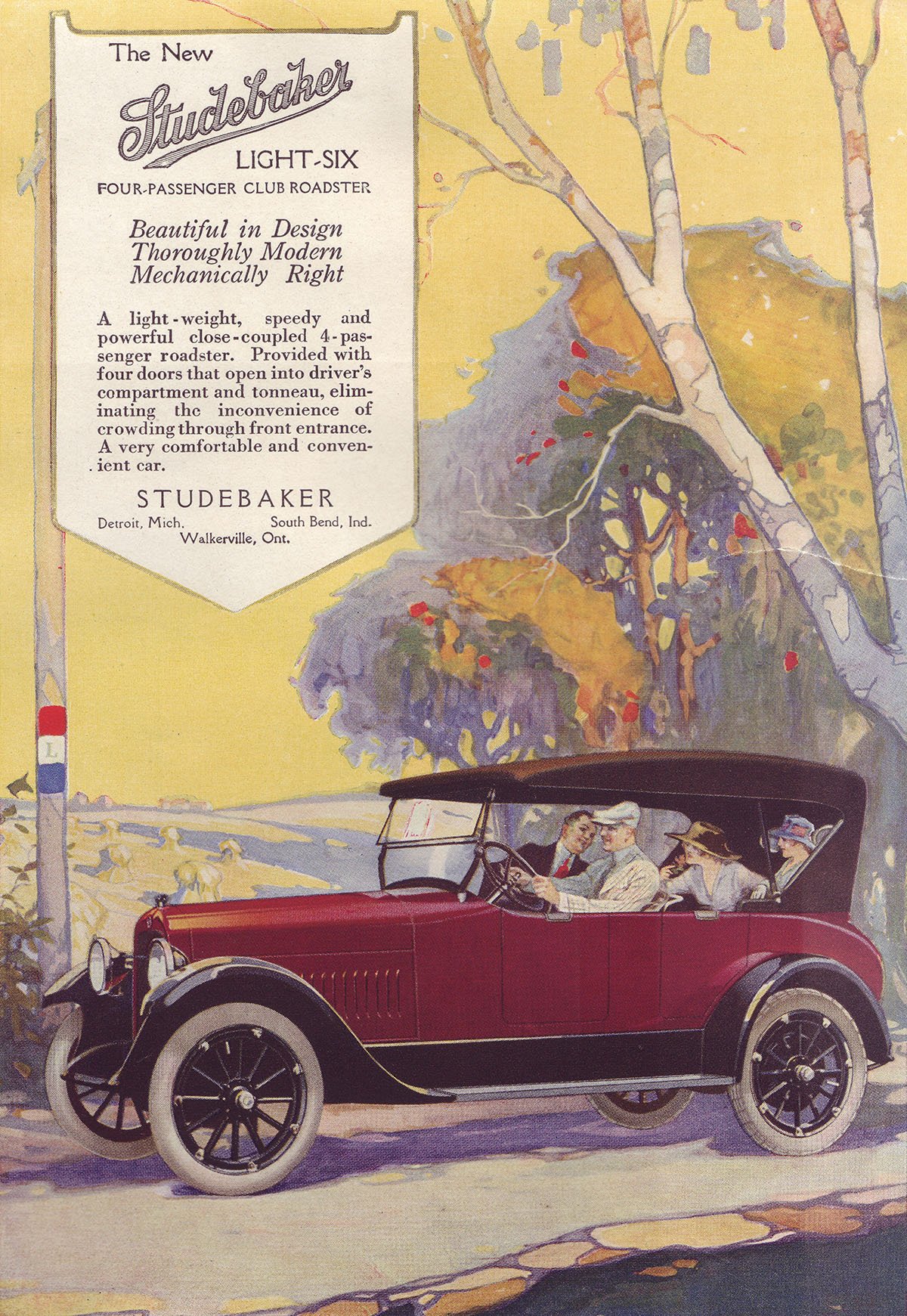
The Lincoln Highway: Leaders in the Movement for Transcontinental Travel
In 1909 Carl Fisher and three partners James Newby, James Allison and Frank Wheeler opened the Indianapolis Speedway. The Speedway's immediate success was further enhanced with the placement of brick pavers on the two and a half mile track and the establishment of the Indianapolis 500 race in 1911. Automobile...
Read More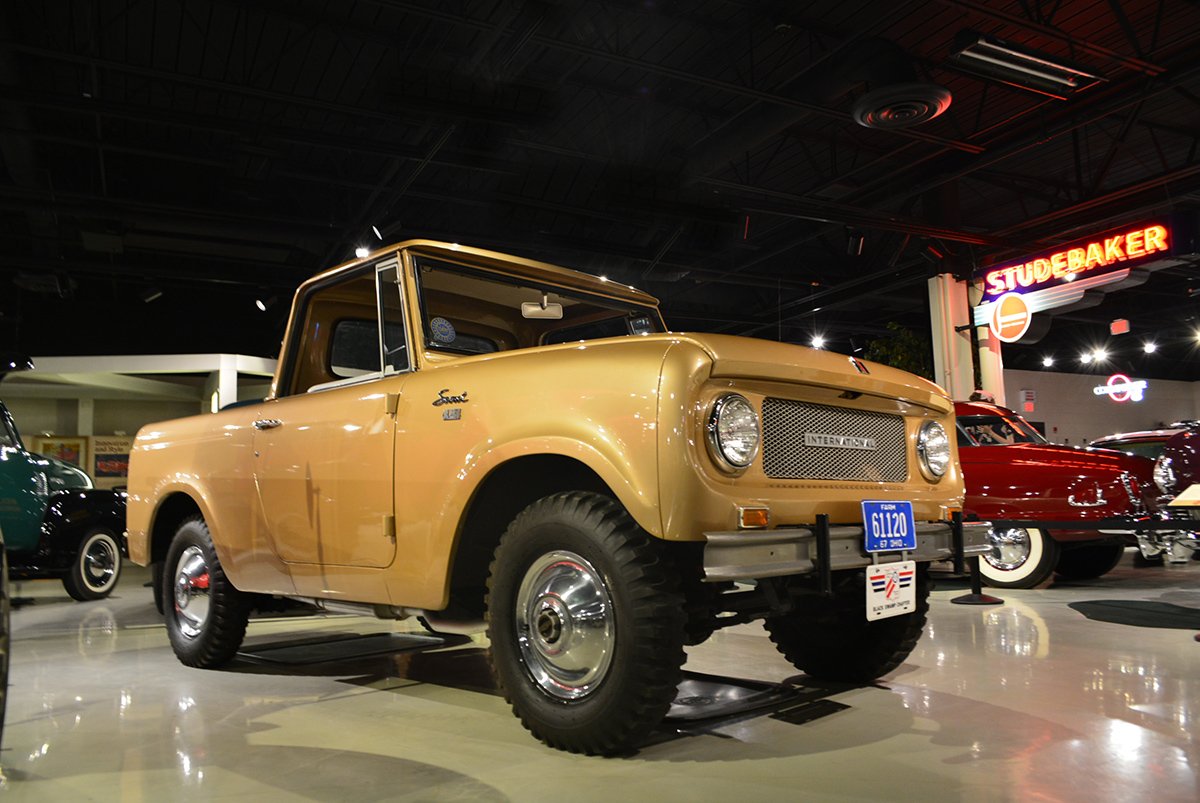
1967 International Scout 800
The International Scout was designed as an economical compact utility pickup for both rural and urban users. Although the market for four-wheel drive recreational vehicles was limited at this time, the Scout was a success and pointed the way towards today’s SUVs and cross-over vehicles. The Scout debuted in 1961...
Read More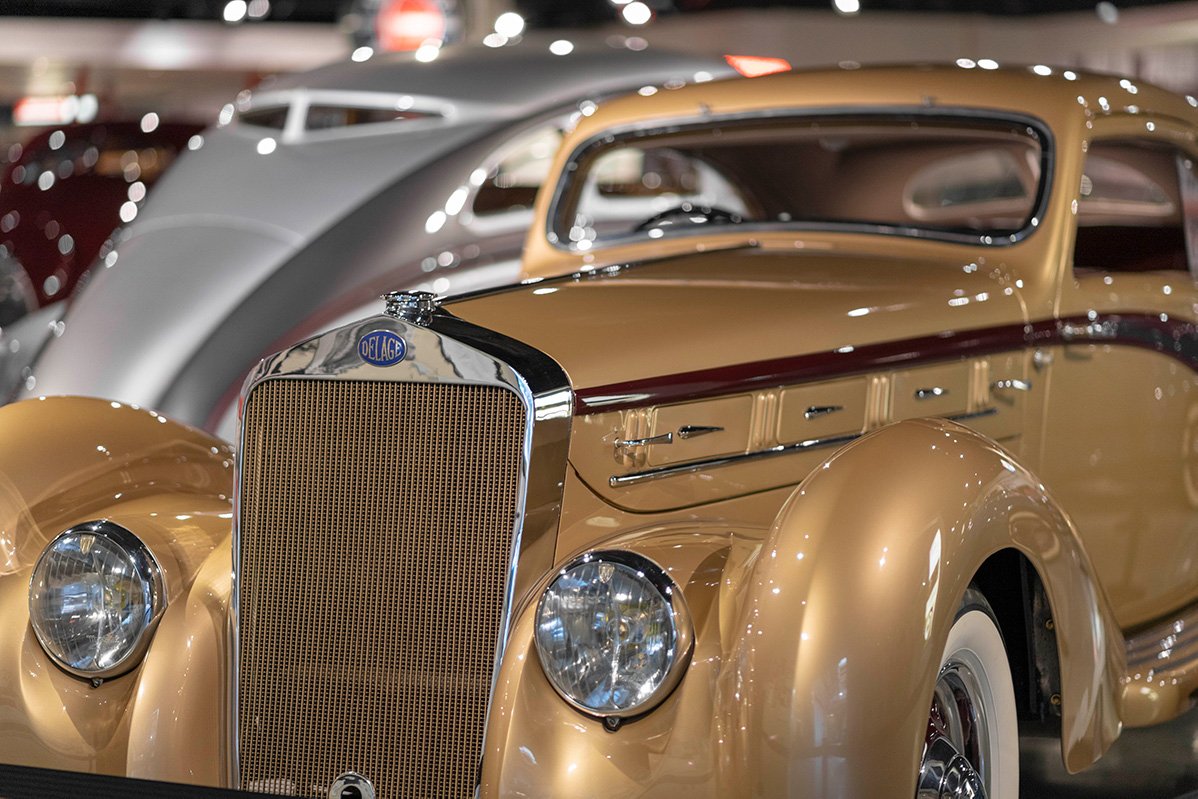
1937 Delage D8 Aérosport
Louis Delage founded his automobile company in France in 1905. The company was known for luxury automobiles and its eight-cylinder D8 models of the 1930s are considered its finest products. This D8’s Aérosport’s body was built by French coachbuilder, Letourneur et Marchand and its styling is credited to the founder’s...
Read More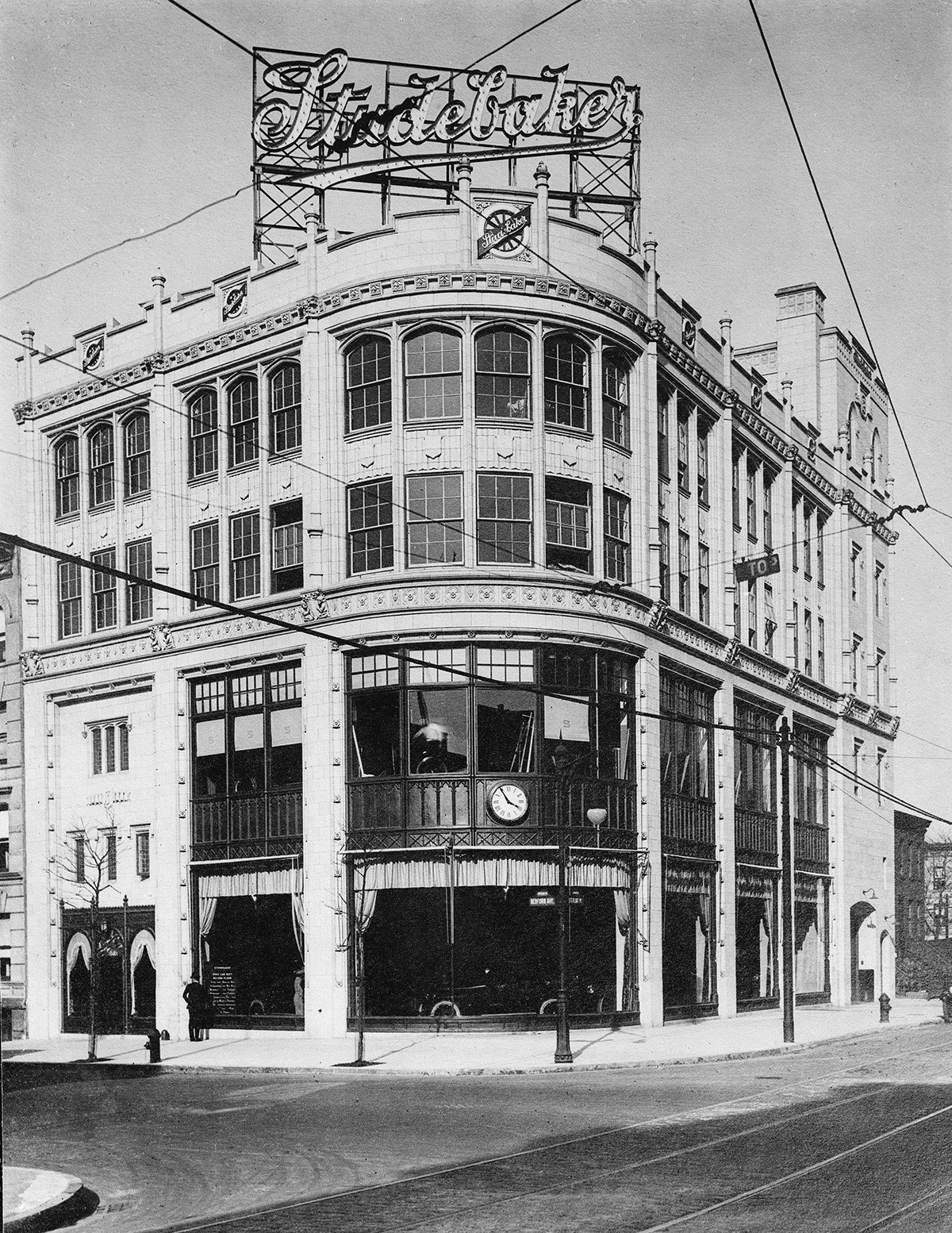
Built to Last: Studebaker Buildings Past & Present
As an international company, Studebaker operated production facilities, sales outlets, showrooms, and dealerships in cities all over the world. Many of these buildings have been torn down; those that remain have been repurposed.. Using historical and contemporary photographs of these iconic buildings, as well as select objects, this exhibition showcases...
Read More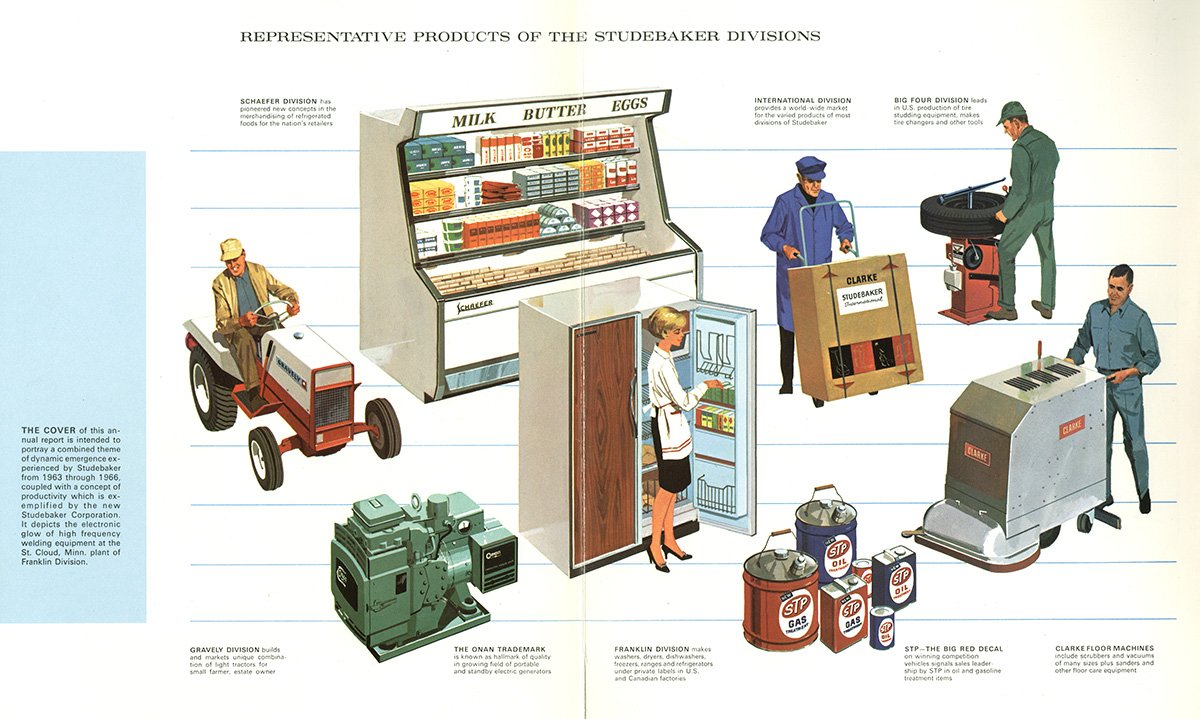
Studebaker Subsidiaries
In the early 1960s, the Studebaker Corporation began a diversification program to expand the company beyond automobile production. Studebaker’s board also sought to use its tax-loss credits amassed from previous unprofitable years. These credits could be applied to the Studebaker Corporation’s profits as well as those of subsidiary companies. Studebaker’s...
Read More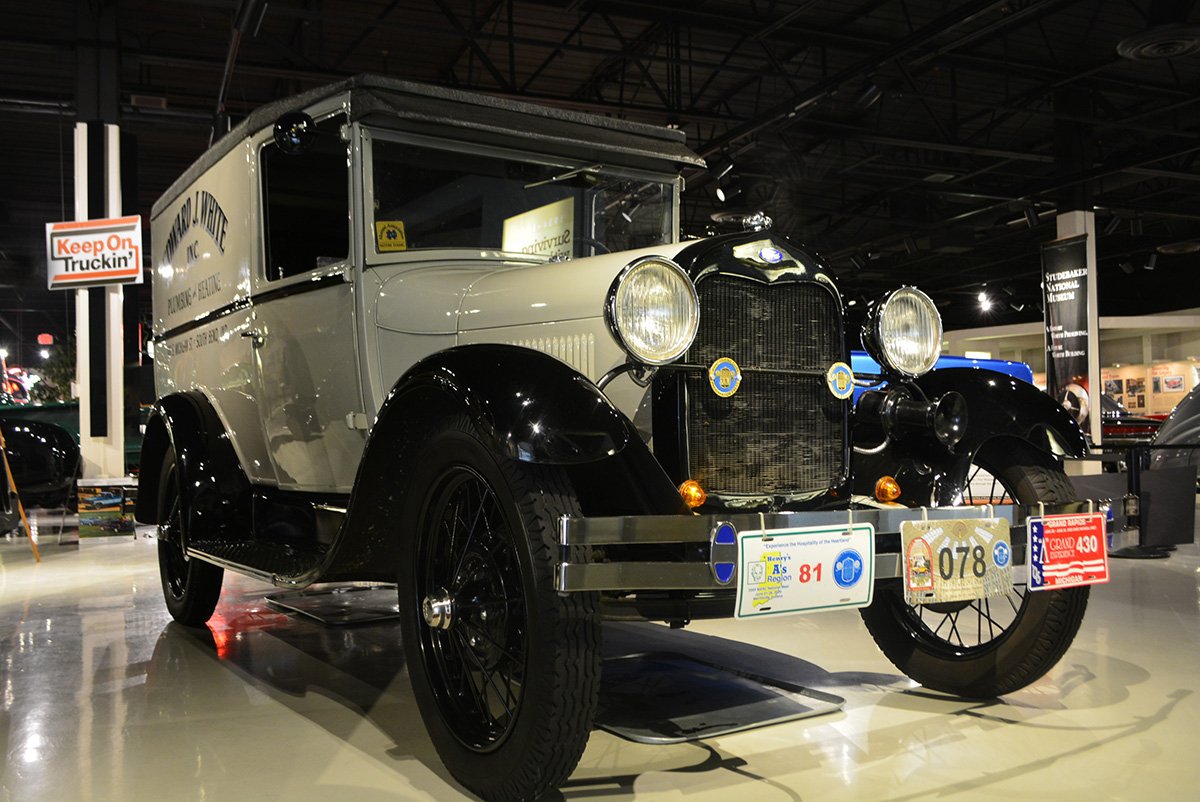
1929 Ford Model A
The Model A debuted in 1927 and was a long overdue replacement for the venerable and ubiquitous Model T. Although simple in construction, the Model A was a great improvement in performance and operation over the Model T. Because of the Model A’s low price, it became a staple of...
Read More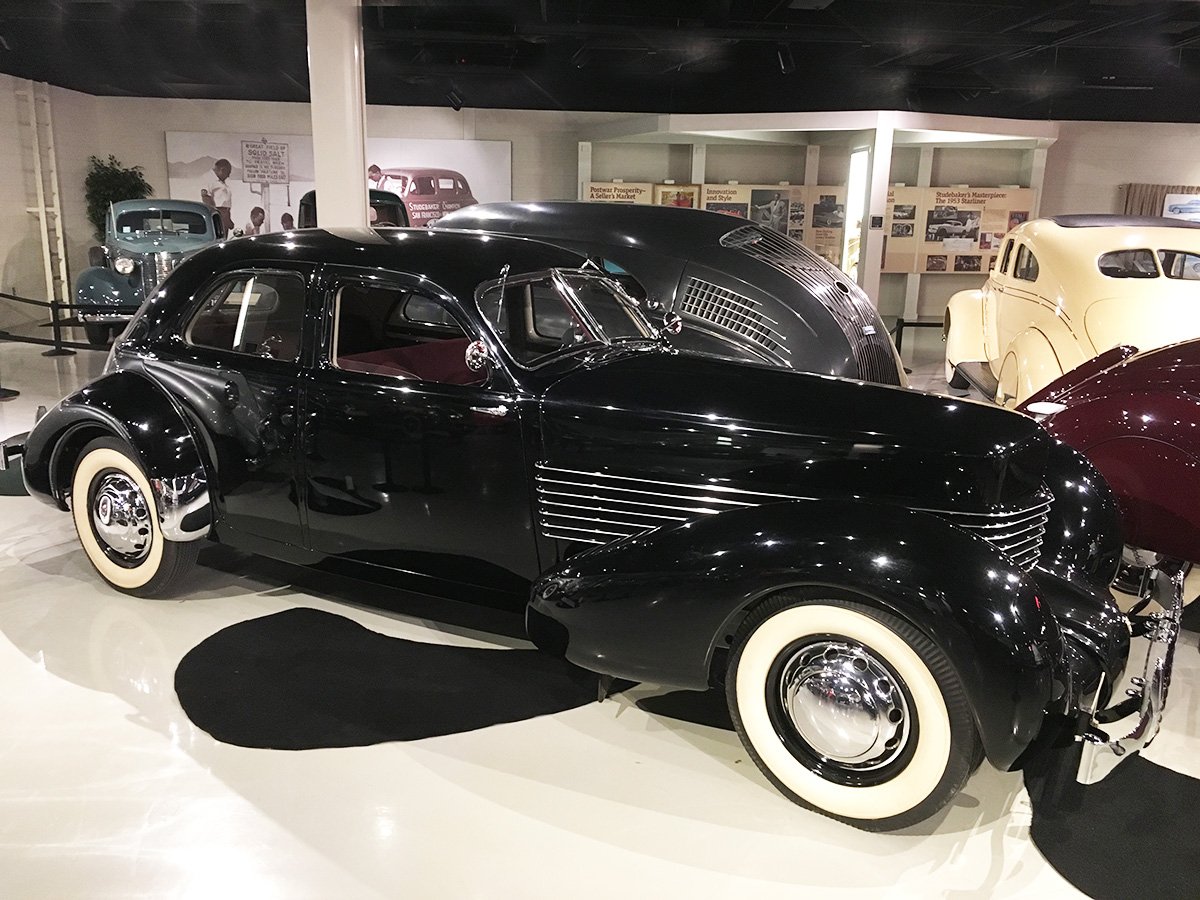
1936 Cord 810
The 1936 Cord and its revolutionary design shocked the industry. Its streamlined shape was created by Gordon Buehrig with assistance from Vince Gardner and features a low silhouette, front wheel drive and unitized body construction. It was the first production car to feature retractable headlamps. The wheel cover design mimics...
Read More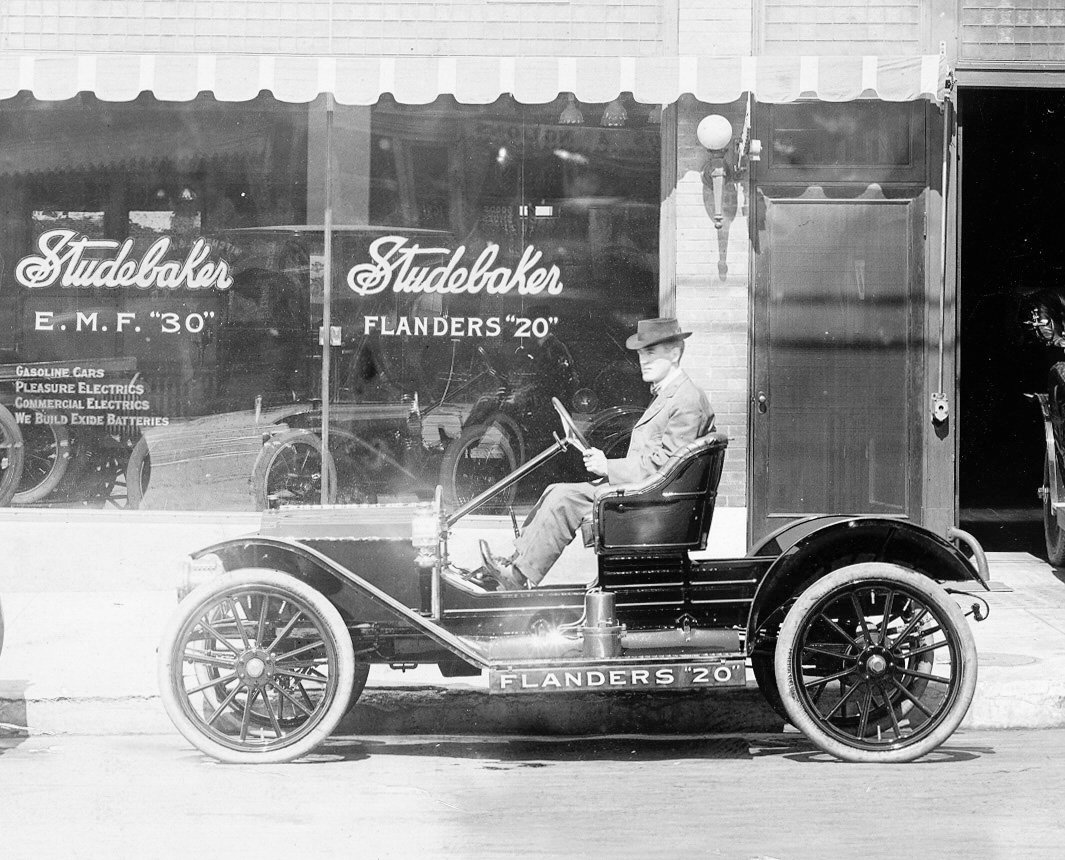
Studebaker’s Early Autos
Studebaker’s expanded its corporate family significantly in the early 1900’s in order to enter the automobile market. One if its first additions was the assets of the failing General Automobile Company of Cleveland, Ohio. The General plant produced Studebaker-branded two-cylinder automobiles in 1904-05. As the market shifted to four-cylinder models,...
Read More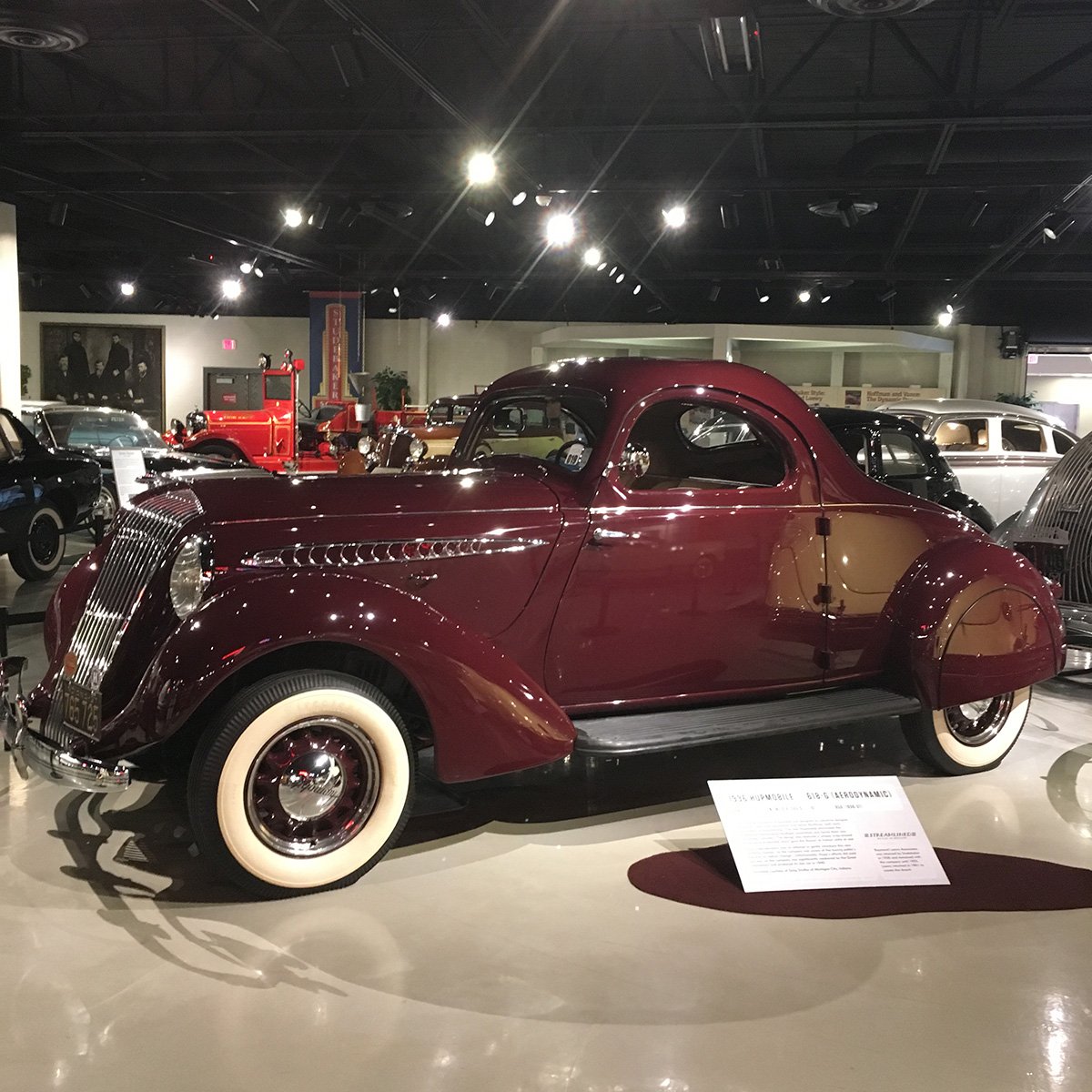
1937 Hupmobile 618-G (Aerodynamic)
The Aerodynamic Hupmobile was originally designed by industrial designer Raymond Loewy in 1934 with assistance from Amos Northup, both early proponents of streamlining. The new Hupmobile eliminated the traditional freestanding headlight assemblies and faired them into the fender catwalks. The initial design also featured a unique wraparound three-piece windshield which...
Read More