
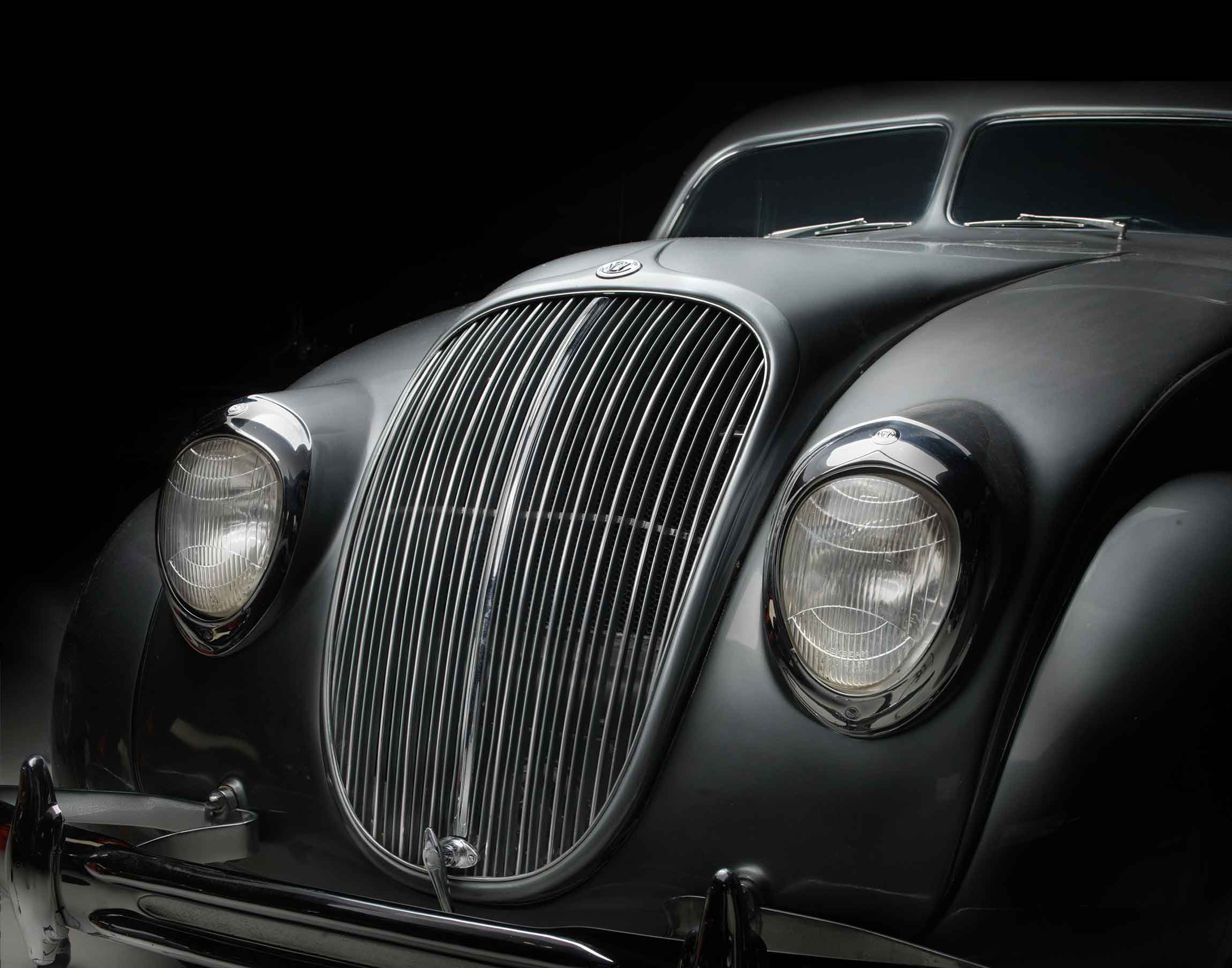
1934 Bendix (Steel Wheels Corp.)
The Bendix car was developed as a ‘car-of-the-future’ by Bendix engineers Victor Kliesrath and Alfred Ney and styled by William Ortwig, formerly of the Fisher Body Co. Ortwig eliminated the customary running boards and moved the fuel and water filler caps under the hood to allow for unblemished body panels....
Read More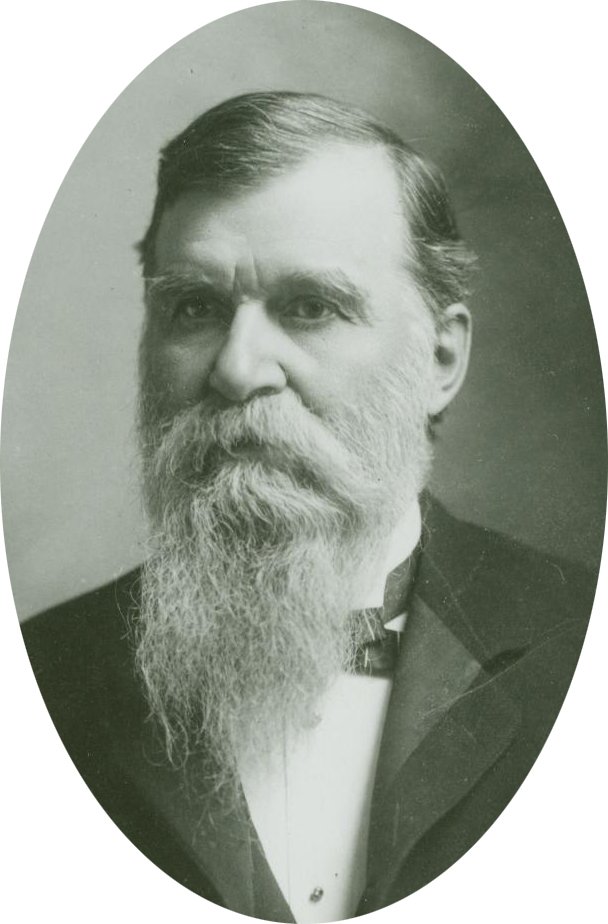
Meet Clement Studebaker
Clement Studebaker, the second eldest son of John C. and Rebecca Studebaker was born March 12, 1831 in Adams County, Pennsylvania. At age four he moved with his family to Ashland, Ohio, where he learned blacksmithing and wagon making from his father. In 1850, Clement moved to South Bend, Indiana...
Read More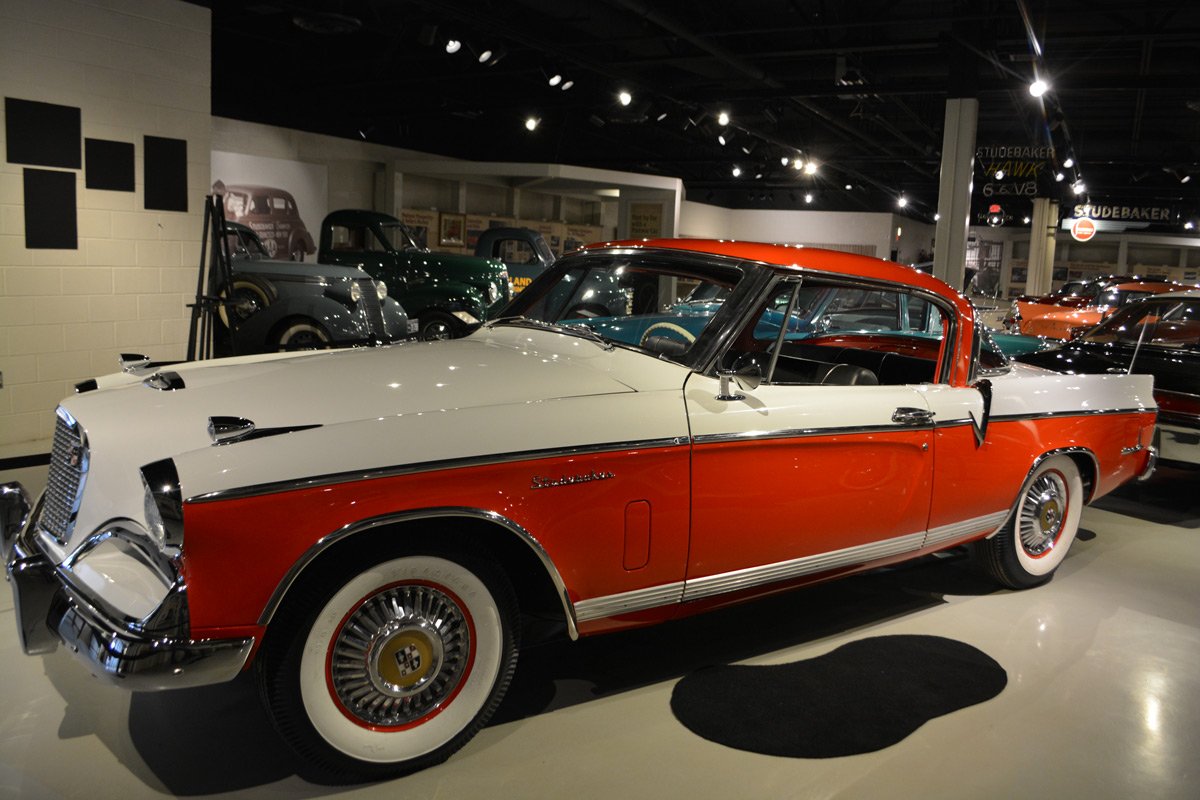
1956 Studebaker Golden Hawk
The Golden Hawk was Studebaker’s flagship model in 1956. It featured Packard’s 275-horsepower 352 cubic-inch V8 engine and was one of the fastest cars on the road that year. The 1956 Golden Hawk was the first Studebaker automobile to feature tail fins. The ‘56 Golden Hawk’s fins were made of...
Read More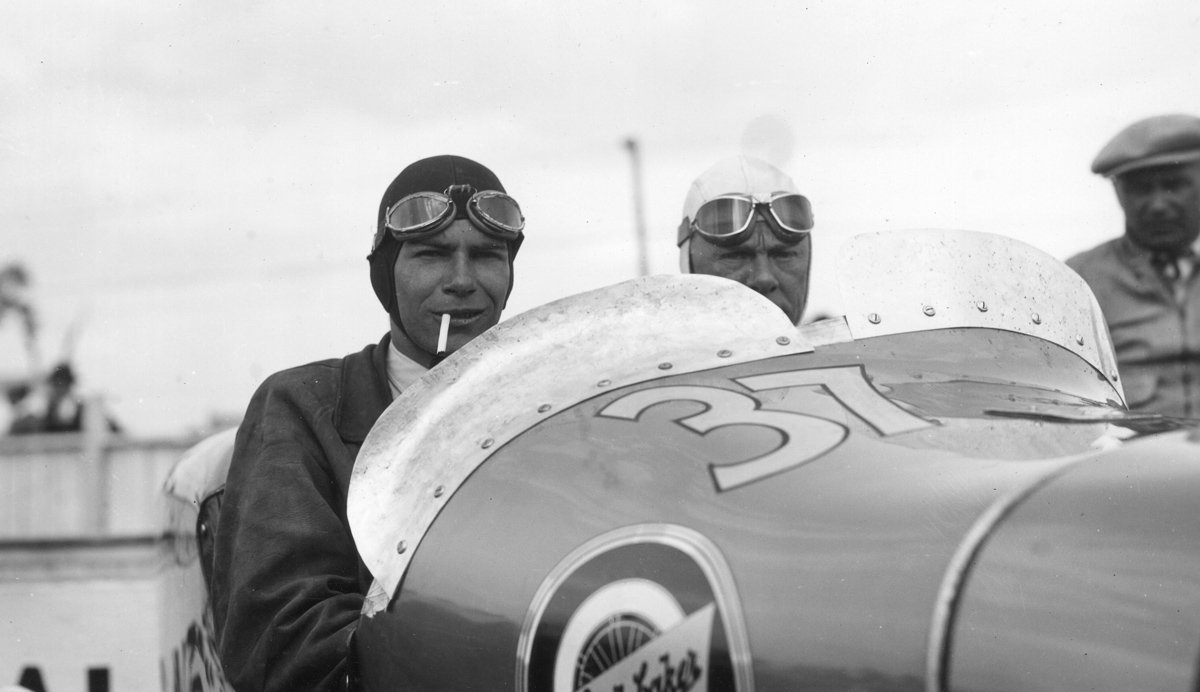
Race Day – 1932 Indy 500
Buoyed by the success of the privately-entered Studebaker-powered racers at the 1931 Indianapolis 500, the Studebaker Corporation fielded a factory-backed five-car team for the 1932 Indy 500. The Studebaker cars were patterned after the Hunt Special and featured chassis and bodies built by Indianapolis race car builder Herman Rigling. Most...
Read More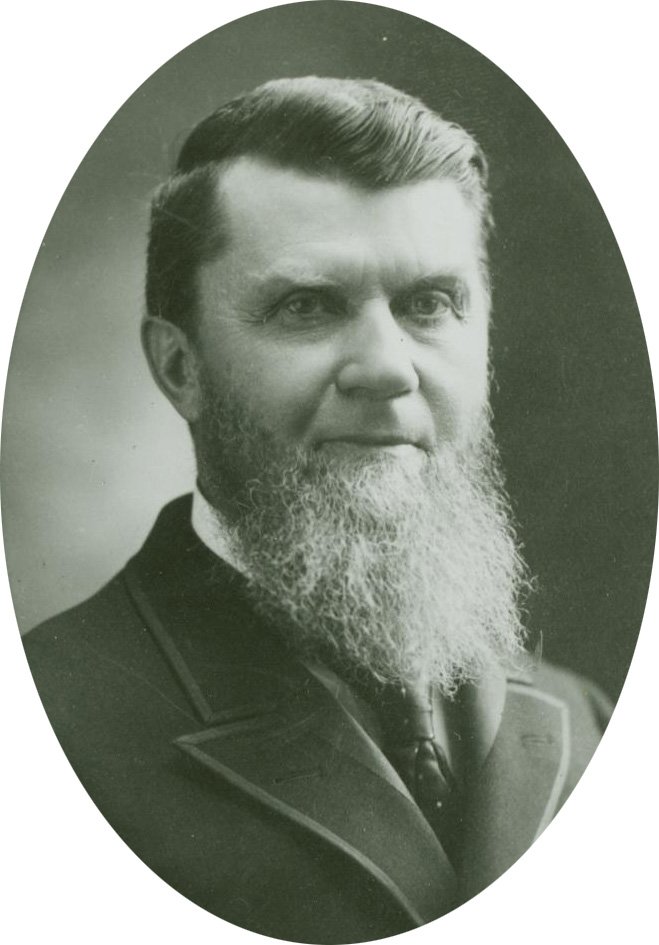
Meet John M. Studebaker
John Mohler “J.M.” Studebaker was born October 10, 1833 in Adams County, Pennsylvania. His family moved to Ashland, Ohio, when he was a small boy, and like his brothers Henry and Clement he learned the blacksmith and wagon making trades from his father. He arrived in South Bend in the...
Read More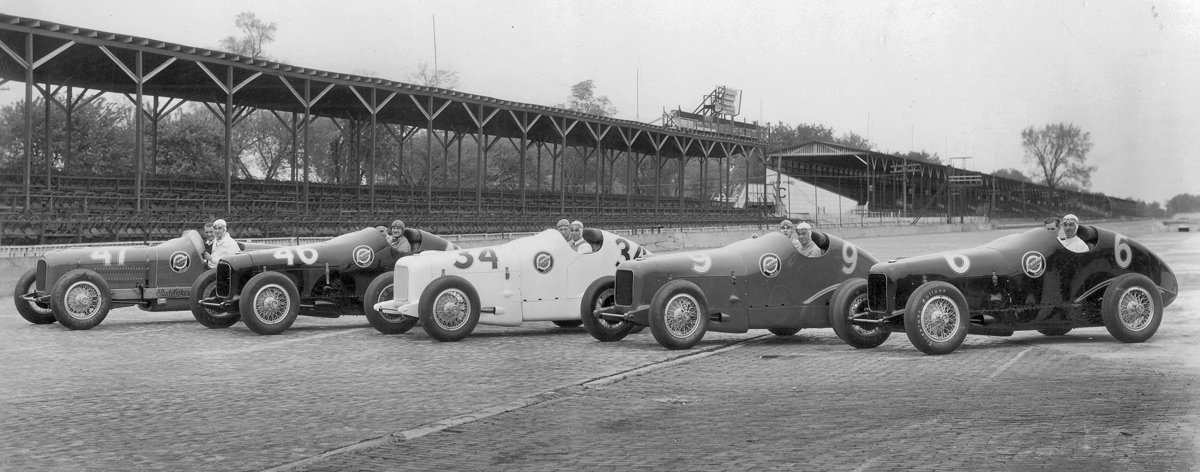
Studebaker at the Brickyard
The Indianapolis 500 is considered by many to be America’s greatest racing spectacle. Many legendary names have competed on the 2.5 mile oval on Indianapolis’ west side. In the early 1930s, the Studebaker Corporation entered the Brickyard fray. Through much of the 1920s, the ‘500 was dominated by expensive purpose-built...
Read More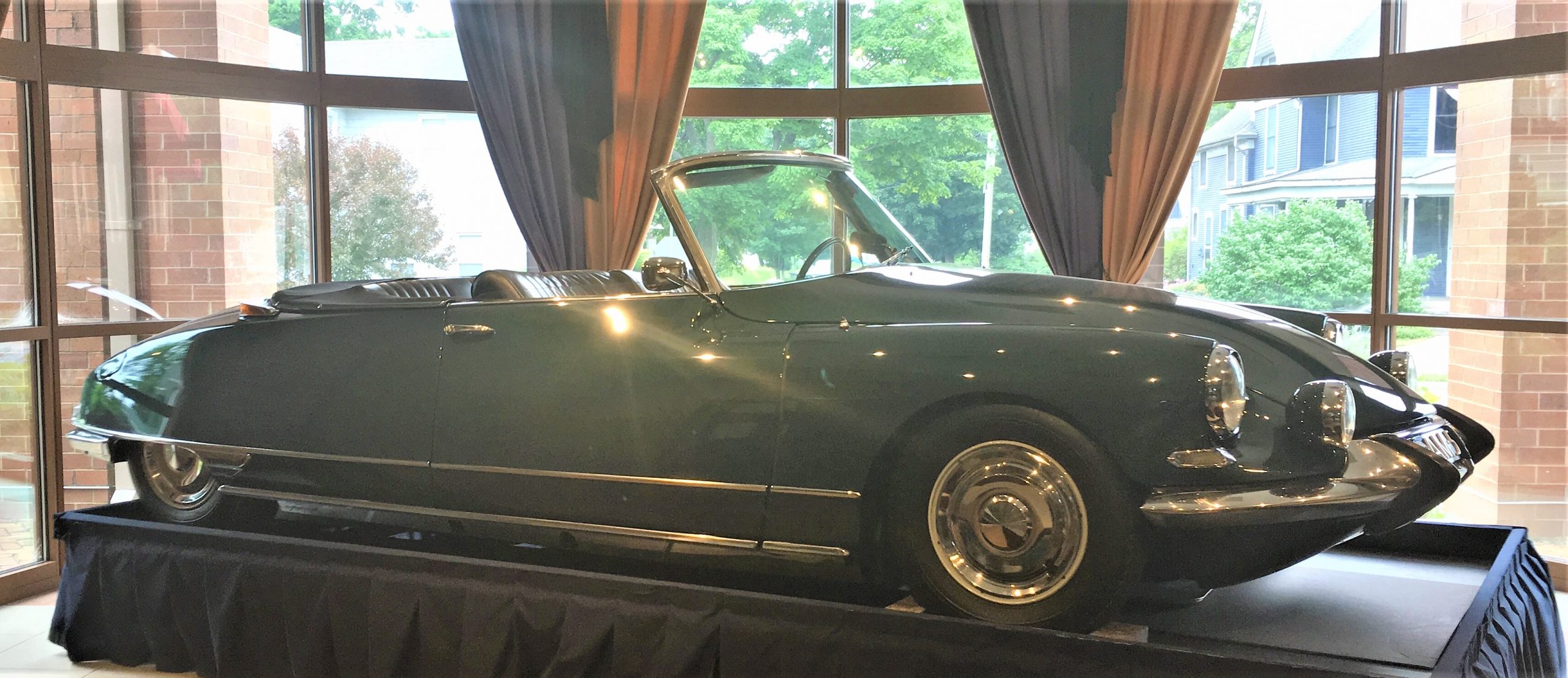
The Citroën DS 19: Radically Different
The Citroën DS 19 was one of the most innovative production vehicles of the 20th century. It’s “glass escargot” design evoked French philosopher Roland Barthes to remark in 1957 that the DS 19 had “obviously fallen from the sky.” The DS 19’s origins can be traced to back to the...
Read More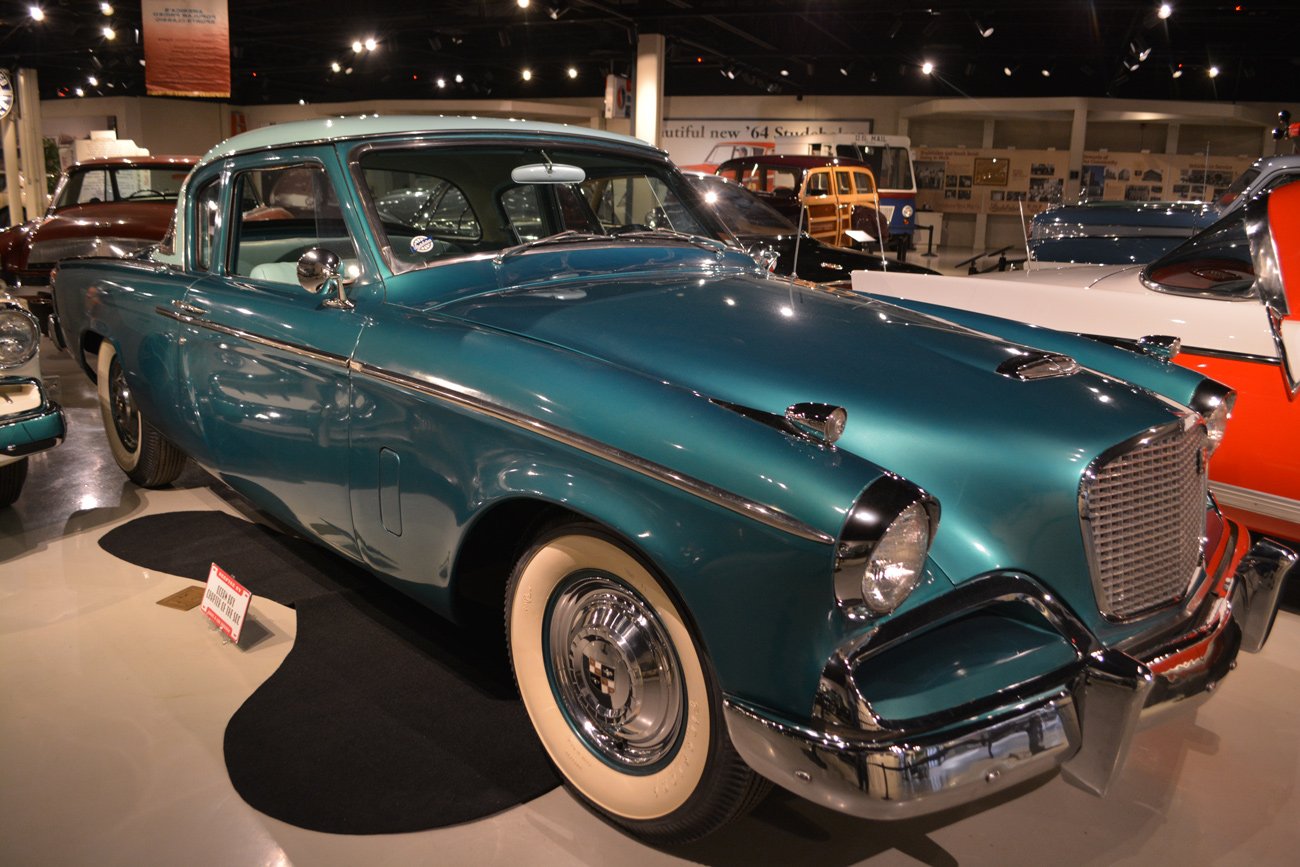
1956 Studebaker Flight Hawk
The Flight Hawk was Studebaker’s entry-level Hawk model in 1956. It was available as a five-window coupe for domestic sales but also as a hardtop body in export markets. Power came from Studebaker’s economical Champion six-cylinder engine. Transmission choices included a three-speed manual, overdrive, and automatic gearboxes. Engine Horsepower Number...
Read More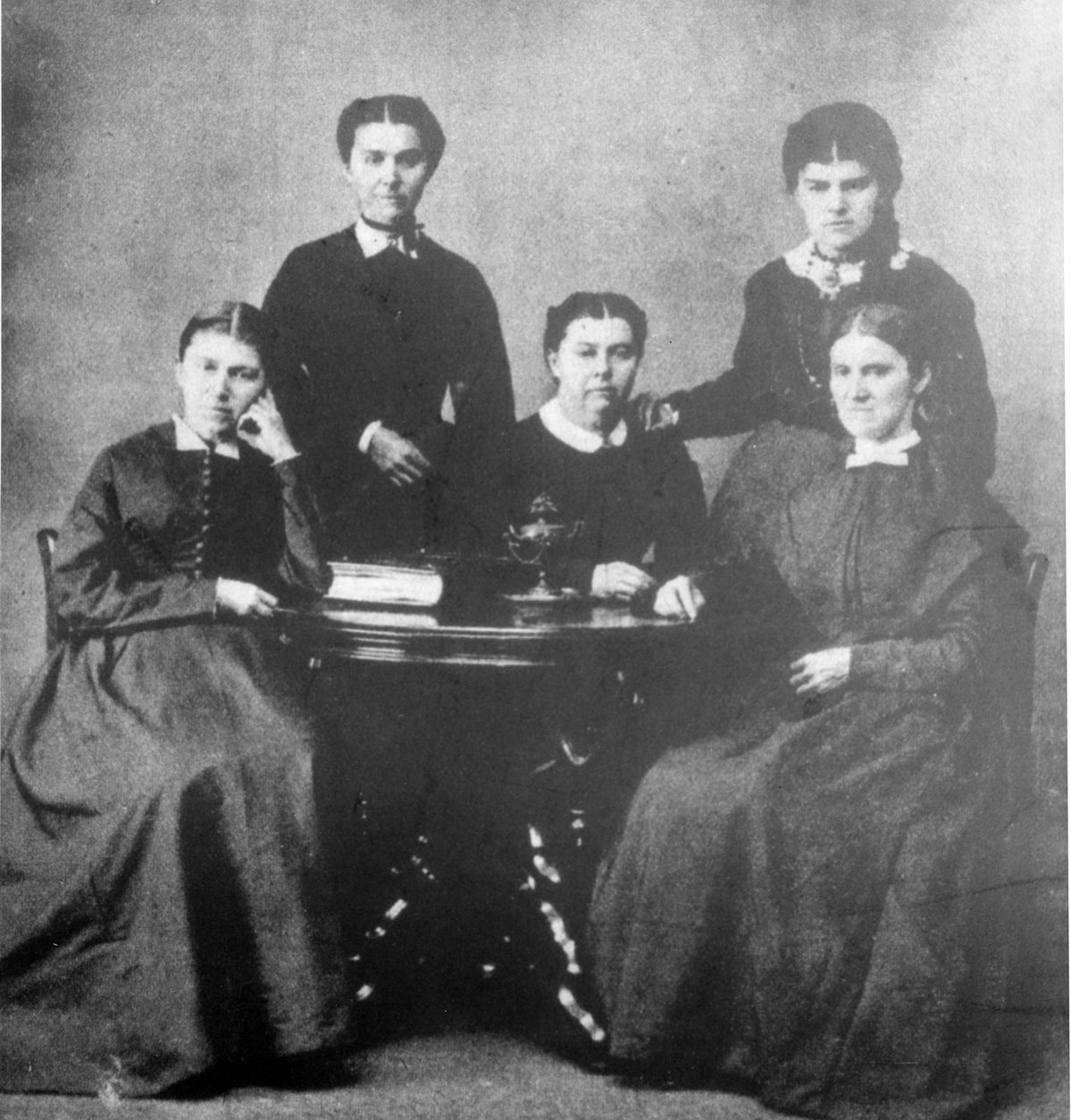
Meet the Studebaker Sisters
The first Studebaker to permanently reside in northern Indiana was not Henry or Clement Studebaker but their eldest sister Sally (Sarah) Studebaker Welch (1822-1902) and her husband Phillip. They arrived in the late 1840s and operated a toll road running south out of South Bend. The Welches later moved to...
Read More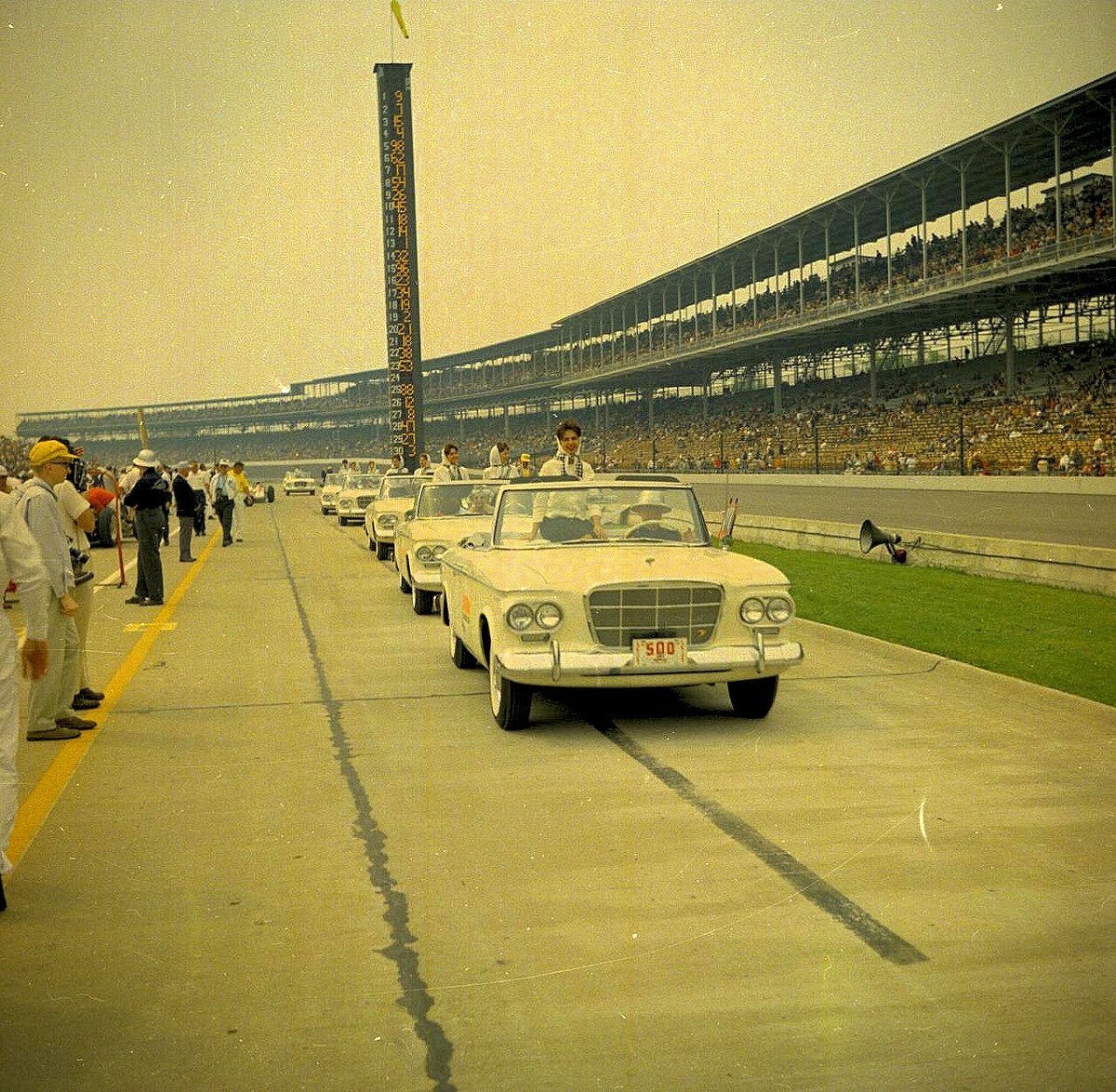
Setting the Pace: Studebaker’s Pace Cars
The Studebaker Corporation was selected to provide the pace car for the Indianapolis 500 on four occasions: 1929, 1940, 1952, and 1962. The concept of the pace car in motorsports originated at the first 500 in 1911. A rolling start was desired instead of the customary standing start, and a...
Read More